Loading...

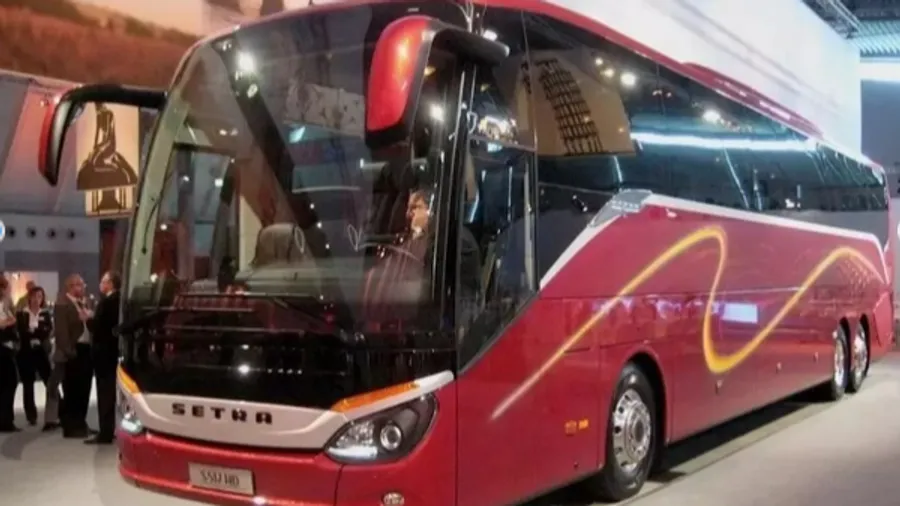
Spain's extensive bus and coach network connects major cities, regional destinations and smaller communities. Operators serve a variety of routes, from short regional services to long-distance journeys lasting several hours.
These operating conditions create different demands on vehicle climate control systems, particularly during summer when temperatures in parts of the country regularly exceed 40°C.
For operators, maintaining comfortable cabin temperatures becomes more challenging when vehicles operate under high passenger loads, make frequent stops or remain exposed to direct sunlight.
Air conditioning performance therefore depends on more than the system's nominal cooling capacity. Its ability to maintain stable temperatures throughout the journey, recover after door openings and operate efficiently under varying conditions must also be considered.
Several environmental and operational factors influence the performance of bus and coach air conditioning systems.
High ambient temperatures and solar exposure
Strong sunlight increases heat loads through vehicle windows and body panels. HVAC systems must compensate for these additional thermal loads while maintaining suitable cabin conditions.
Frequent door openings
On routes with multiple stops, opening passenger doors allows conditioned air to escape and warmer outside air to enter. The system's ability to restore the desired cabin temperature is particularly important.
Passenger occupancy
A fully occupied coach generates additional heat and moisture, increasing the demand for cooling and ventilation.
Coastal environments
Vehicles operating near coastal areas may experience increased exposure to salt and humidity, which can influence corrosion resistance and component maintenance requirements.
Long operating periods
Intercity services may require HVAC systems to operate continuously for several hours, making energy efficiency, reliability and maintenance accessibility important considerations.
These conditions highlight the importance of selecting HVAC systems according to actual operating requirements rather than nominal specifications alone.

Roof-mounted air conditioning units are exposed to environmental conditions throughout a vehicle's service life.
Their external housings protect critical components, including condensers, fans and other system elements, from rain, sunlight, road debris and mechanical vibration.
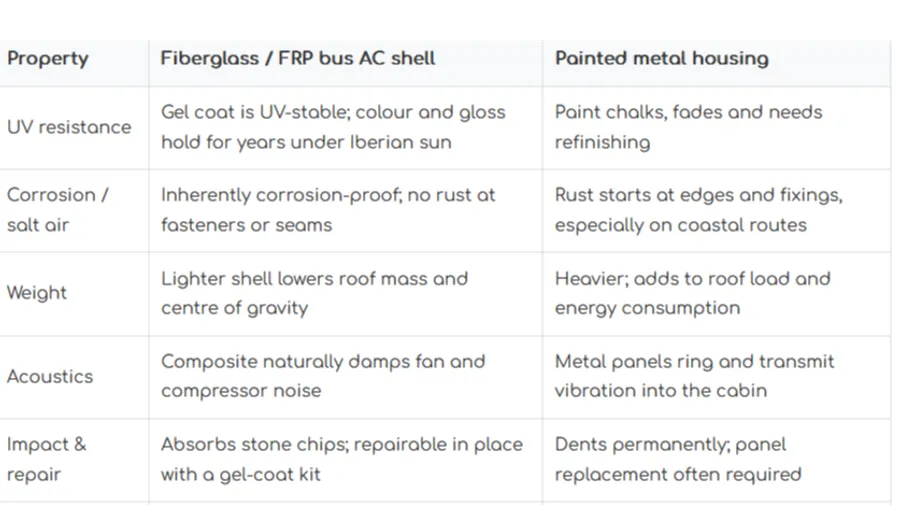
Material selection can influence the housing's weight, durability, corrosion resistance, acoustic characteristics and maintenance requirements.
Common materials include fiberglass-reinforced plastic (FRP), also known as glass-reinforced plastic (GRP), aluminium and steel.
Fiberglass-reinforced plastic (FRP/GRP)
Fiberglass housings can offer corrosion resistance, design flexibility and relatively low weight, depending on their construction. UV-resistant surface treatments may also help maintain material performance and appearance during prolonged outdoor exposure.
Aluminium
Aluminium housings can provide a combination of relatively low weight, structural rigidity and corrosion resistance. Their performance depends on factors such as alloy selection, surface treatment and joining methods.
Steel
Steel offers structural strength and established manufacturing processes, although weight and corrosion protection require consideration.
No single material is necessarily suitable for every application. The selection depends on vehicle design, operating environment, manufacturing requirements, maintenance strategy and total lifecycle cost.
For OEMs and operators, evaluating housing materials alongside the complete HVAC system can help identify solutions appropriate for the vehicle's intended service conditions.

The transition toward electric buses and coaches introduces additional considerations for HVAC system design.
Unlike conventional vehicles, where cabin cooling may be supported by engine-driven systems, electric vehicles typically depend on electrical energy from the vehicle's onboard power system.
As a result, HVAC consumption can influence overall vehicle energy demand and available driving range.
Modern systems may incorporate variable-speed compressors, intelligent control strategies and integrated thermal management to balance passenger comfort with energy efficiency.
For electric vehicle applications, selecting an HVAC system involves evaluating its cooling performance under different ambient conditions, its electrical consumption and its compatibility with the vehicle's thermal management architecture.
For vehicle manufacturers, bodybuilders and fleet operators, several technical questions can support HVAC system selection.
Cooling capacity: Is the system appropriately sized for the vehicle's dimensions, glazing area, passenger capacity and intended operating climate?
High-temperature performance: What cooling performance can the manufacturer demonstrate under demanding ambient conditions?
Energy consumption: How does the system's electrical or mechanical energy demand change across different operating conditions?
Housing materials: What materials and protective treatments are used, and how have they been evaluated for environmental durability?
Acoustic performance: What noise levels are generated by compressors, fans and other components during operation?
Maintenance accessibility: Can filters, coils, drainage systems and other serviceable components be accessed efficiently?
Regulatory compliance: Does the system meet applicable refrigerant, environmental and technical requirements for its intended market?
Spare parts and service support: Are replacement components and technical support available throughout the expected vehicle service life?
These considerations can help buyers compare solutions according to performance, compatibility and long-term operational requirements.
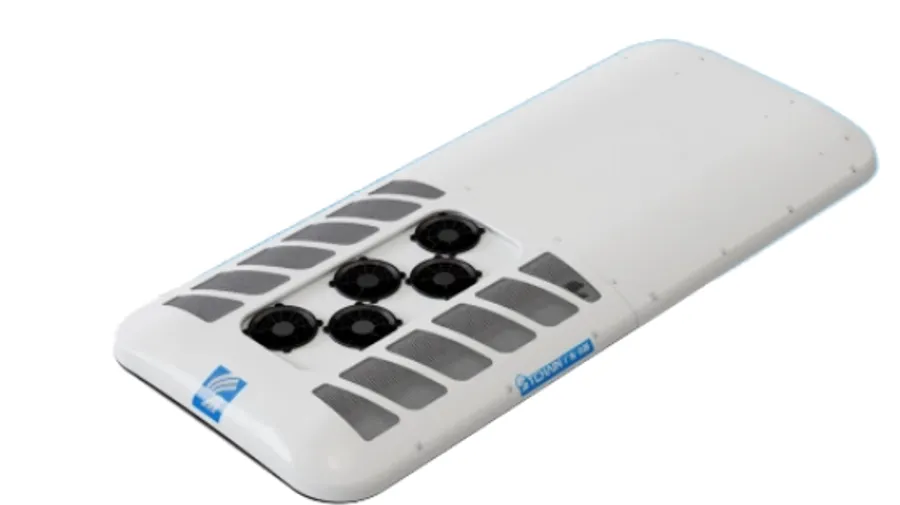
HVAC performance also depends on regular inspection and maintenance.
Filters, condenser coils and drainage systems require attention to maintain airflow and prevent operational problems. Roof-mounted housings and their seals should be inspected for physical damage, weathering and potential water ingress.
In regions with high temperatures, dust or coastal exposure, maintenance intervals may need to reflect the severity of the operating environment.
Establishing appropriate inspection routines can support system reliability, reduce unexpected downtime and help maintain passenger comfort throughout the vehicle's service life.
Spain's intercity bus and coach operations illustrate the importance of adapting HVAC systems to demanding environmental and operational conditions.
High ambient temperatures, varying passenger loads and extended operating periods affect cooling requirements, energy consumption and component durability.
For OEMs, bodybuilders and operators, HVAC selection should therefore consider the complete system, including cooling performance, housing materials, energy efficiency, maintenance accessibility and lifecycle requirements.
A technically informed approach can support passenger comfort while helping operators manage reliability and long-term operating costs.