Loading...

Bus air conditioning in Australia needs to be matched to more than the vehicle’s cooling capacity. Climate, vehicle size, passenger load, operating pattern and powertrain all affect how the system should be specified.
Australia’s conditions vary widely. Buses may operate in humid tropical regions, dry inland areas, coastal environments or locations with colder winters. They may also work on short, stop-start urban routes, school services, long-distance coach journeys or remote roads. A system selected for one combination of conditions may not suit another.
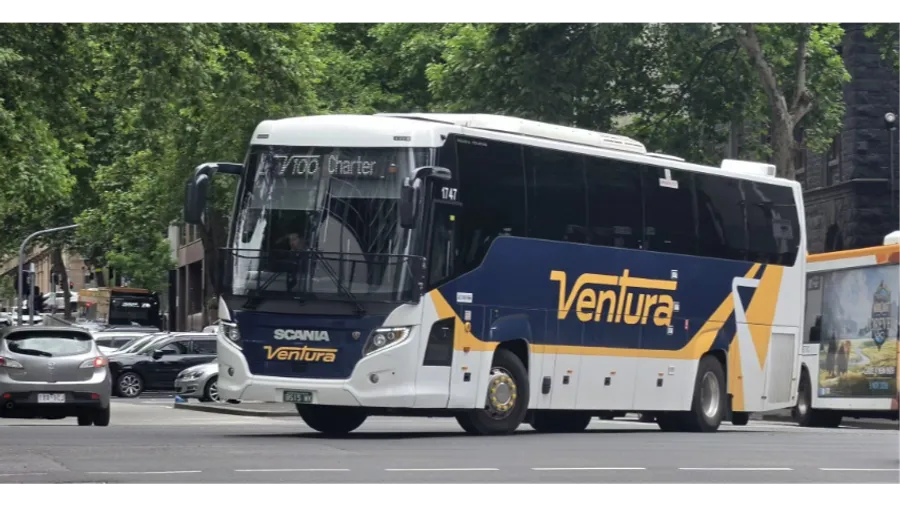
In northern and tropical regions, high temperatures and humidity can create a sustained cooling demand. Inland routes may expose vehicles to dry heat, dust and large temperature changes between day and night. Coastal environments can add salt and moisture, while southern regions may require heating as well as cooling.
These conditions make the wider system design important. Alongside cooling capacity, operators may need to consider filtration, dust sealing, corrosion protection, insulation and access for maintenance. Exposure to sun and ultraviolet radiation can also affect rooftop equipment and increase heat entering the cabin through windows.
The conditions vary by route and vehicle, so operators should consider where and how the bus will be used rather than relying on a general climate description.
Vehicle length is a useful starting point when assessing air-conditioning options, but it is not the only factor. A small minibus, a mid-size school bus and a full-size coach have different cabin volumes, layouts and passenger loads. These differences affect airflow distribution and the cooling demand.
Passenger numbers also matter. A fully occupied vehicle gains more heat than one carrying a light load, and the frequency of door openings can affect how quickly the system needs to recover cabin temperature. For this reason, vehicle size should be considered alongside capacity, interior layout and the expected number of passengers.
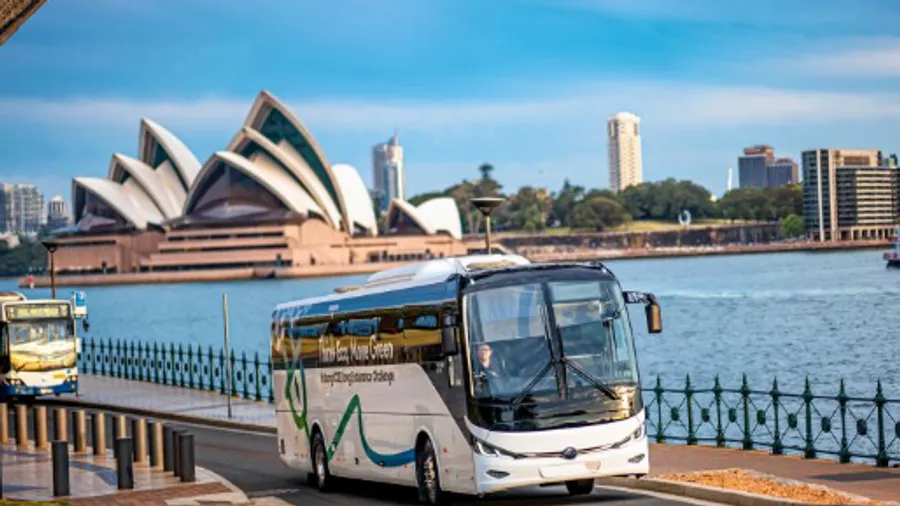
Air-conditioning requirements differ between service types. City buses may make frequent stops and open their doors regularly, allowing warm air to enter the cabin. School buses may operate on repeated routes, including in areas where road surfaces and service access vary. Coaches may carry passengers for several hours at a time, making consistent cabin comfort important over longer journeys.
Maintenance access and parts availability are also relevant to fleet operations. A system that is difficult to service can create additional downtime, particularly for fleets that operate across multiple locations.
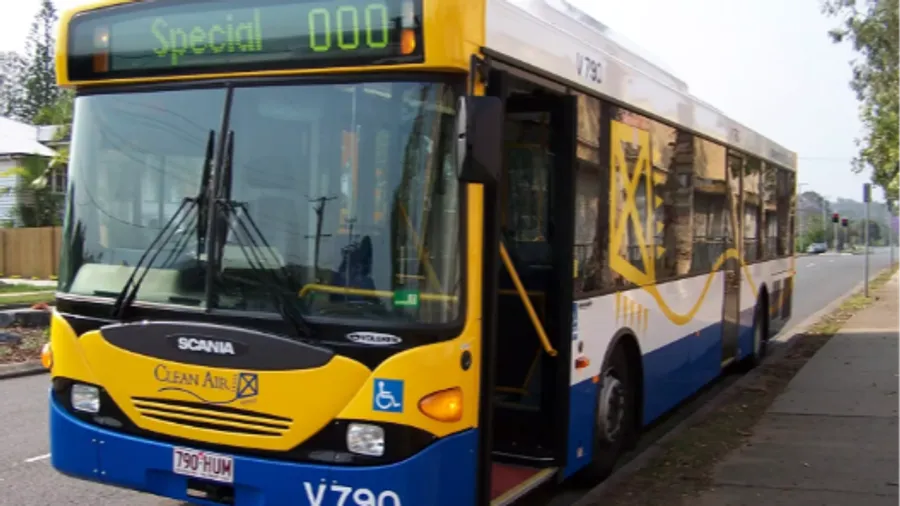
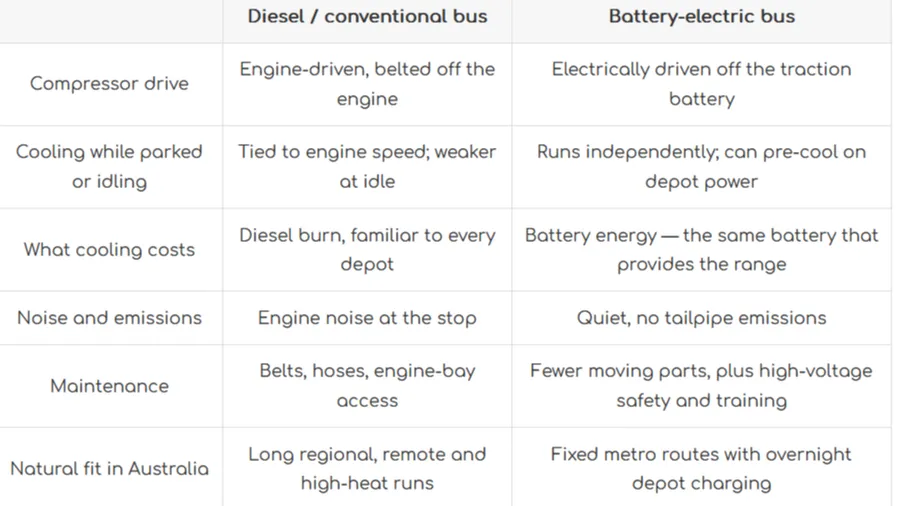
In conventional buses, an engine-driven air-conditioning system uses the engine to power the compressor. This approach is established in many fleets, but cooling availability depends on the engine operating.
Battery-electric buses use electrically driven compressors. This allows the air-conditioning system to operate independently of the traction motor’s rotation, which can support cabin pre-cooling while the vehicle is connected to depot power. During service, however, the compressor draws energy from the vehicle’s battery and can affect the energy available for driving.
The effect on operating range depends on factors such as weather, route, passenger load, vehicle design and system controls. Insulation, pre-conditioning and appropriate temperature settings can help manage energy use. Electric and engine-driven systems are designed for different powertrains and are not direct substitutes.
Operators and vehicle manufacturers can assess the requirements in this order:
This approach helps ensure that cooling capacity, system design and operating requirements are considered together.
How should an operator choose the right bus air-conditioning system?
Start with vehicle size and passenger load, then consider route, climate, operating pattern and powertrain. Vehicle length alone does not determine the correct system.
Does air conditioning affect an electric bus’s range?
The compressor uses energy from the traction battery, so its effect depends on conditions such as ambient temperature, route, occupancy and control strategy. Pre-cooling while connected to depot power can reduce the energy needed for cabin cooling during operation.
Can an engine-driven compressor be used on a battery-electric bus?
An engine-driven unit requires an engine to power its compressor. Battery-electric buses use electrically driven systems designed for their power architecture.
What should operators consider in hot or dusty regions?
Alongside cooling performance, assess filtration, dust sealing, corrosion protection, insulation and maintenance access. The relevant priorities depend on the vehicle’s actual operating environment.
TCHAIN offers bus air-conditioning systems for different vehicle sizes and powertrains. Operators should confirm the application, system configuration and technical requirements with the supplier before selecting a unit.